Articles
In addition to my clinical practice and mental health consulting, I have published several books as a professional author and have contributed articles to various publications. My writings tend to be focused on the interconnected themes of personal development, creativity, mental health, and trauma. These are the areas of my professional work — but more than that, they are themes of infinite depth and scope. They reach out and connect to everything. As an author, I’m interested in the same things that I seek as a counsellor: a greater understanding of the unfolding story of every human — of humanity itself — and a deeper and more meaningful contribution to that endless interwoven narrative.
Addiction and Recovery

Understanding Addiction
My writings on the theme of addiction trace their origin to my experience as a substance abuse counselor, as a clinical supervisor to addictions agencies, and to my own family background in which s...
Read more
The Essence of Addiction
Addiction is not the primary problem. It does not spring from nothing. This is perhaps the most important — and most difficult — insight to make. Parents resist it. Communities deny it. And the add...
Read more
Elsewhere: Addictions of Escape
Toward the horizon, the broad limbs of a fir tree stretch out from a trunk still black against the morning sky. The indigo dawn brightens toward vermilion. A scatter of skeletal branches extends on...
Read more
Inward: Addictions of Retreat
A narrow bridge of crumbling steel stretches across the inlet from upscale neighborhoods on the south shore to strip clubs and run-down stores on the north side. Beneath both ends of the bridge, wh...
Read more
Onward: Addictions of Departure
I wonder where the bullet will come from: a passing car, or a man in the shelter of the trees, or a sidewalk pedestrian who ambles across the lawn and takes aim through the front window. Perhaps th...
Read more
Sideways: Addictions of Disguise
Dark inside the dark. Grit and damp. Dank air squeezed thin in this place. My breath gasping and ragged. Wet soil falls from above, spatters my neck and face, falls into my nostrils, abrades with b...
Read more
Backward: Addictions of Defiance
The afternoon light is fading. Across the strait, a green landscape is awash with a shimmer of twilight and distance. Behind me, the sun descends toward the mountains. Beyond them is the wide sea. ...
Read more
Downward: Addictions and the Wound
There are tunnels beneath the city. Some were built by bootleggers and smugglers, and are older than anyone now remembers. The damp storage vaults — for hooch and heroin and illegal immigrants from...
Read more
Forward: On Healing the Wound
Near the war memorial with its grassy sward — where Joseph once lived, and pursued his hallucinogenic and shamanic dreams — a clutch of the city’s oldest structures are slowly crumbling toward th...
Read more
Rethinking Recovery
The roots and paths of addiction are complex, adaptive, and surprising. Those seeking recovery often find themselves exploring and coming to terms with underlying mental ...
Read moreMental Health
The Jasper Queen
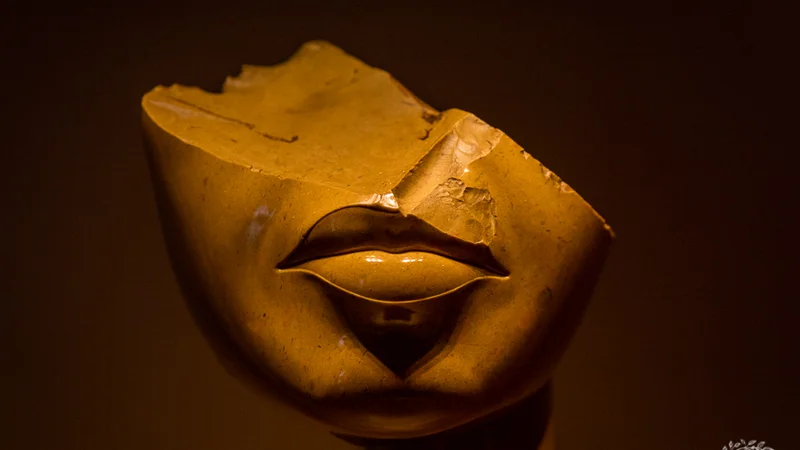
The indomitable spirit cannot be diminished — by negligence, by war, by time spun farther than the grasp of memory. This occurs to me on September ninth, 2001, in the Egyptian gallery of New York’s...
Read more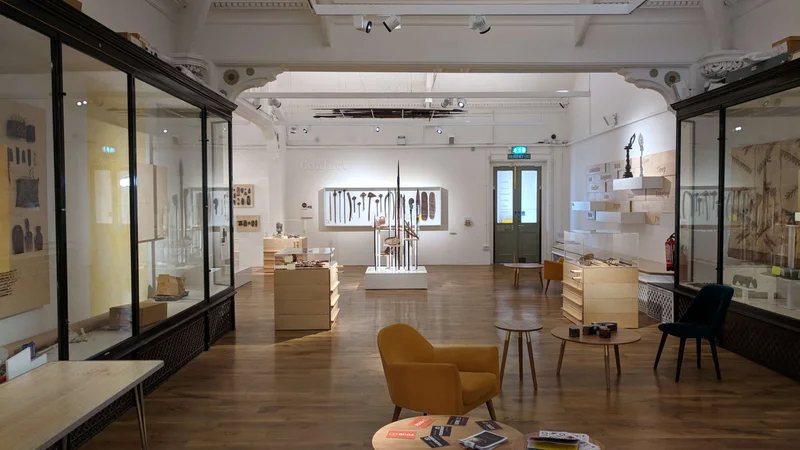
Object Lessons
The oil lamp is small and fragile, worn down by almost two thousand years of accumulated grit, corrosion, darkness, and time. It was shaped by hand, with unfired clay, by a refugee fleeing Roman pe...
Read more
Big Problems: Small Wonder
Got a minute? Try this small but illuminating experiment. Above is an image of the Milky Way Galaxy. Focus your attention on this image for one minute. Don’t do anything other than look at the imag...
Read more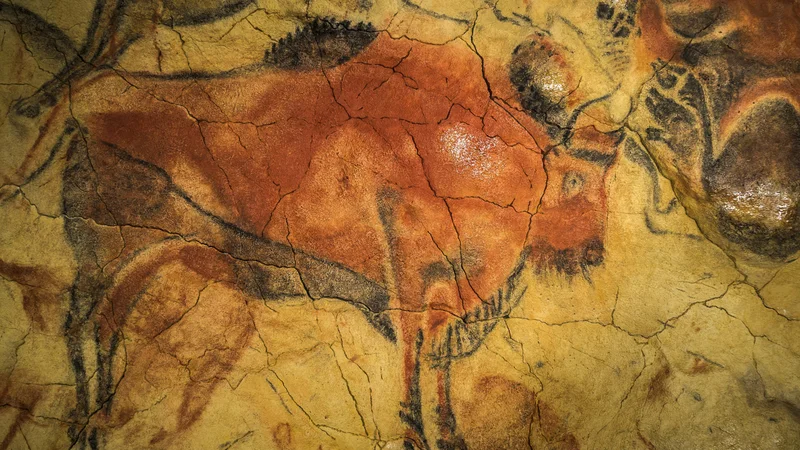
Mental Health and the Creative Encounter
Art objects have always offered a point for departure to explore emotions, perspectives, and the imagination. How are object interactions impactful in our current moment?...
Read more
Canada’s Inaugural National Conference on PTSD
I was invited to present at Canada’s inaugural Conference on Post-Traumatic Stress Disorder. The conference was focused on ways that new legislation might support those with PTSD, provide pathways ...
Read more
Inaugural First Responders’ Mental Health Conference
Firefighters, paramedics, and law enforcement officers experience traumas and stressors on the job that are unlike those seen in most other occupations. It’s not surprising, therefore, that recent ...
Read more
Mental Health Considerations for Museums
For information about workshops and training offered by Ross Laird, please visit this page or contact Ross directly. There is a growing trend in museum practice to evoke...
Read more
Working with Grief, Trauma, and Related Challenges
Adapted from Museum Objects, Health and Healing , by Brenda Cowan, Ross Laird, and Jason McKeown. New and powerful museum exhibition trends include a greater focus on emotional engagemen...
Read more
Therapeutic Objects at the 9/11 Museum and Beyond
Tragedy strikes New York on September 11, 2001. Afterwards, survivors, first responders and victims’ relatives experience the healing impact of donating personal objects to what will become the 9/1...
Read more
Resilience and Well-being in Turbulent Times
During a time of turbulence and stress, how can we stay emotionally healthy and connected to ourselves and those around us? What kinds of coping are normal and helpful? H...
Read moreCreativity
Wind
I step off the gravel path, here where the shimmering summer air gives way to a darker quiet in the forest. A woodpecker perches on a nearby cedar, its rhythmic tock echoing clearly through the tre...
Read more
Earth
The tips of my fingers are grimy and black, like a coal miner’s. Dark, umber streaks trace their way up my index and middle fingers, smudging into the pores of my skin, outlining the bloody scratch...
Read more
Thunder & Lightning
Out here on the road, with the power lines down and early morning light from the sky my only illumination, I watch a cascade of small branches drift across the road in a gust of wind. I’m not sure ...
Read more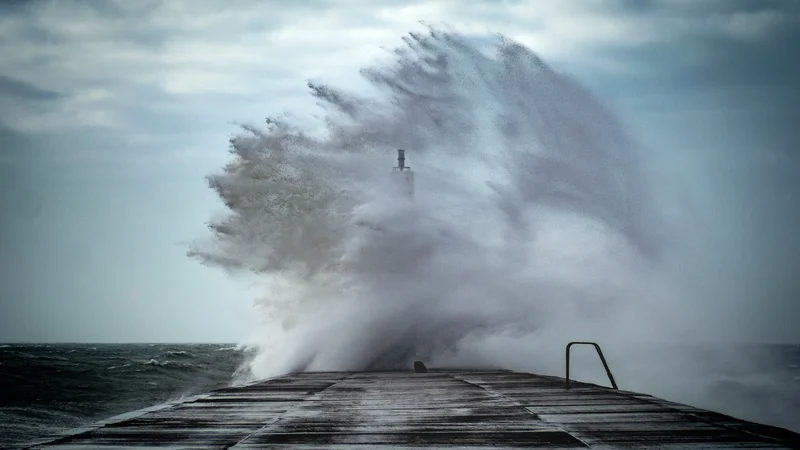
Deep Water
Today the work is tense, rushed, possessed of a sharpness I feel inside, as though I might crack open from the cold. The heater is cranked up, I’ve opened the door to the adjoining furnace room, an...
Read more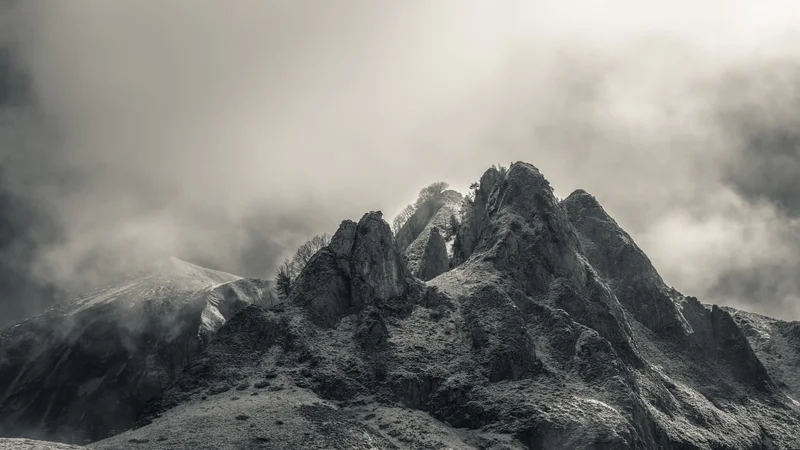
Mountain
This little Stanley block plane, the first woodworking tool I owned and still one of my favorites, has a surprising heft. I cradle it in my left palm, sole up, where the contours of the lever cap —...
Read more
Shallows
This rowboat is old, worn down so thoroughly by memories and by the sea that it seems, resting atop two sawhorses in my shop, almost insubstantial. The overturned hull is faded and chalky, crackled...
Read more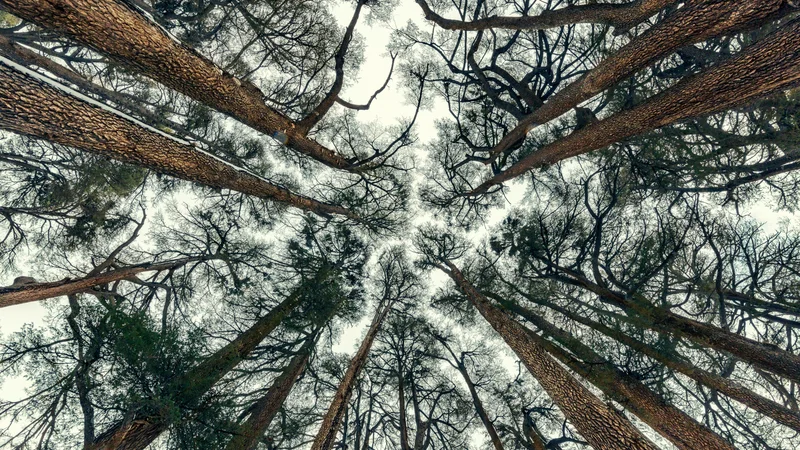
Fire
Light, and fire. This is how it begins, far out on the horizon, beyond the threshold of shadows and the deep well of the land’s erasure. A vermilion hue like the grain of purpleheart climbs into th...
Read more
The Unfathomable
The idea of making a mask — or a series of masks, if all goes well — came about as the result of a weekend trip that Elizabeth and I took to Tofino, on Vancouver Island’s west coast. It’s a rugged,...
Read moreEducation
Education and the Unhappy Family
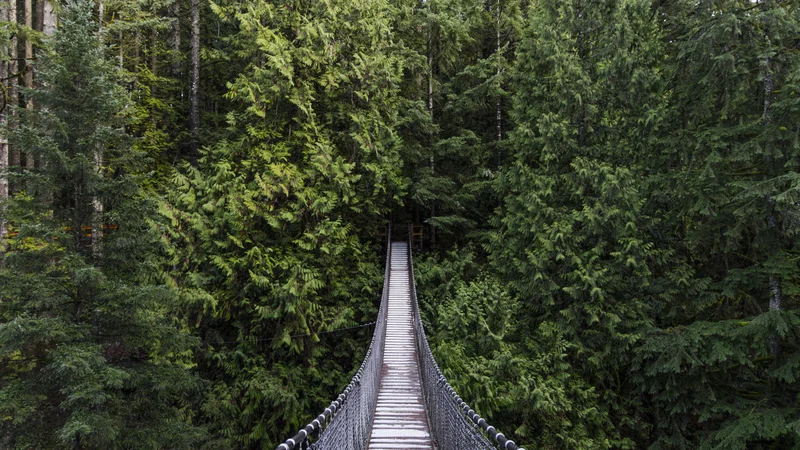
Counselling is my primary career, the practice to which I am most devoted and for which I have the longest, deepest experience. Counseling will always be my primary vocation. But I am also an educa...
Read more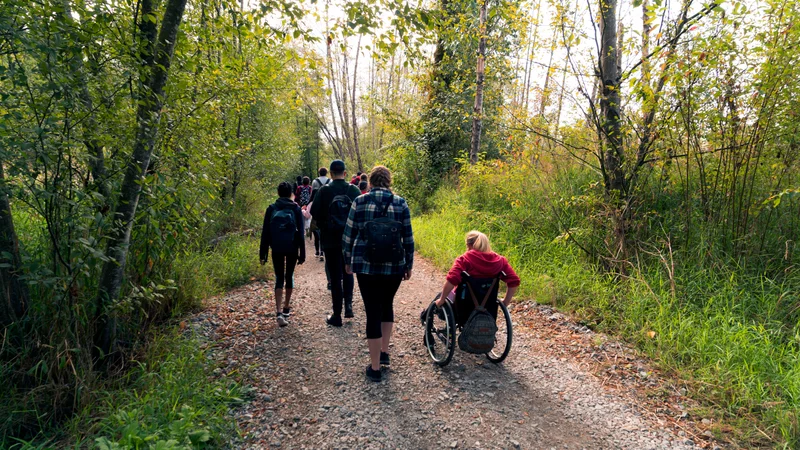
Intelligence of the Heart
I spend a great deal of time with two kinds of people: teachers and students. In some ways, these two groups are at opposite ends of the continuum of learning. Sure, teachers and students co-create...
Read more
Creativity and the True Teacher
I stand in the dark, watching the lighted lamps pass. Lantern-bearers follow one another upon the spiraling path. They glide through the darkness, almost silent, their faces dimly lit by the glow o...
Read more
Lamplighters
On the first day of the semester I come across one of my students huddled in her car, shivering, crippled by panic. Later that morning, another student begins to cry as I walk with her toward the b...
Read more
Taking Learning Outside
Adapted from Object-Based Learning and Well-Being , edited by Heleen Chatterjee and Thomas Kador. We meander up the gravel path, through the evergreens, between the stands of alder. The s...
Read more
On Developing Knowledge
This page is the first of three resources that focus on contemporary research and philosophy for developing more human (and humane) forms of education. See parts two and three for the full s...
Read more
Skills for Working with People
This page is the second of three resources that focus on contemporary research and philosophy for developing more human (and humane) forms of education. See parts one and three for the full ...
Read more
Skills for Working on Yourself
This page is the third of three resources that focus on contemporary research and philosophy for developing more human (and humane) forms of education. See parts one and two for the full set...
Read moreCraft & Culture
Casco: The Ship of Robert Louis Stevenson
They were led, one at a time, from the smoky dark of the hold and up the narrow companionway. Each man was flanked by a crew-member who spoke in clipped and rushing tones. The ship was quiet, the s...
Read more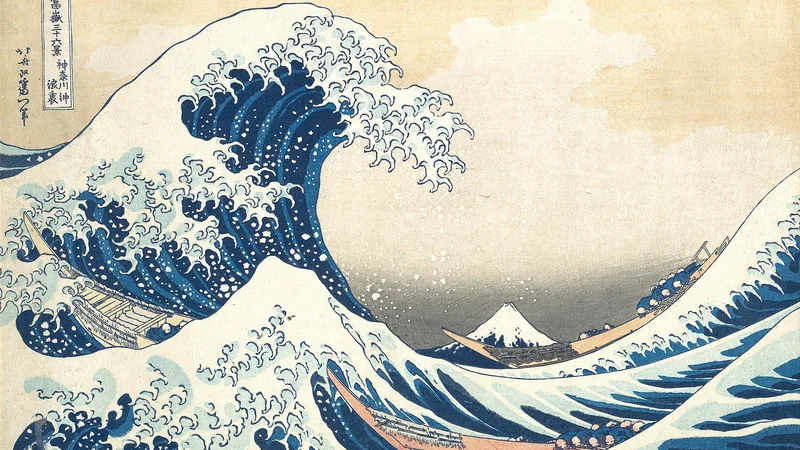
Rogue Waves
In February 1933, on its way from San Diego to Manila, the US Navy ship Ramapo was caught in the teeth of a relentless storm. The wind had slowly gathered momentum across thousands of nautical mile...
Read more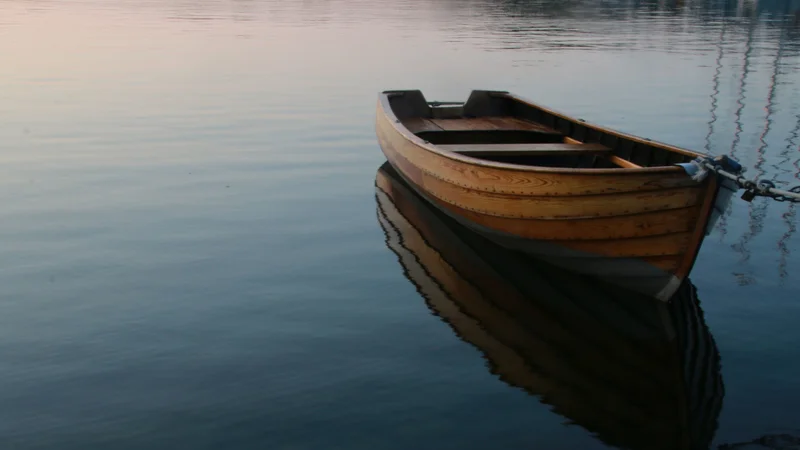
Myths of the Primordial Waters
Plato wrote that the past is like the wake behind a boat; it spreads, and diminishes behind us, and merges with the surrounding sea. The past rolls under and is gone. We stand upon the foredeck of...
Read more
The World Tree
South of the riverbend, twenty minutes along a trail fringed with pink flowers of hardhack and gangly stalks of sweet gale, a black spruce that I call the World Tree stands against a spring sky. He...
Read more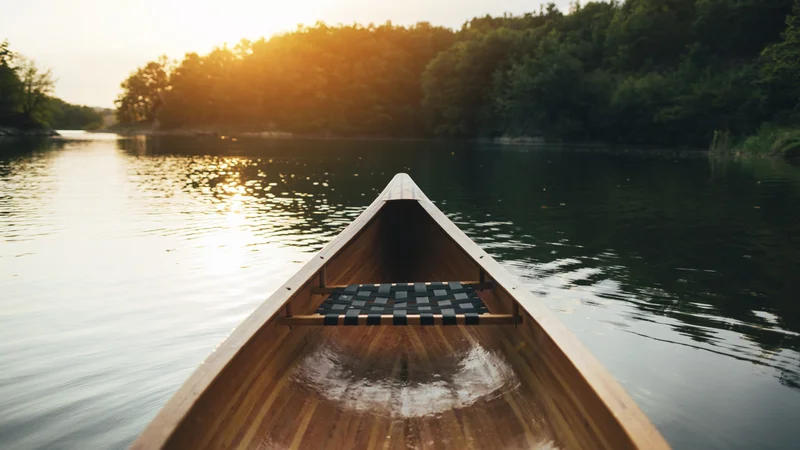
The Resonance of Nautical Language
In 2003, paleoanthropologists digging on the island of Flores (about 550 km west of Bali) discovered a previously unknown and now extinct branch of the human genetic tree: Homo floresiensis , dimi...
Read more
On Woodworking as Meditation
The warehouse is quiet today. An oldtimer carefully selects maple boards from a small pile at the back. Along the central aisle which stretches into shadow two of the staff move slabs of African bu...
Read more
Wood Finishing for Marine Use
Woodworkers and boat builders are, on the whole, a contentious bunch. They argue about all kinds of things: tools, methods, aesthetics, materials. But their favorite topic, the one to which they ha...
Read more
A Guide to Ethical Wood Use
We tend to think of the tension between pristine nature and human ambition as a contemporary struggle, but the urge to own and exploit forests is a fundamental human impulse. At every point in hist...
Read more
Choosing Wood for Marine Applications
In an age of plastics and composites, wood has not surrendered its claim on the mariner. The color and texture of grain, the particular warmth of wood in the sun, the way a teak gunwale is shaped p...
Read more