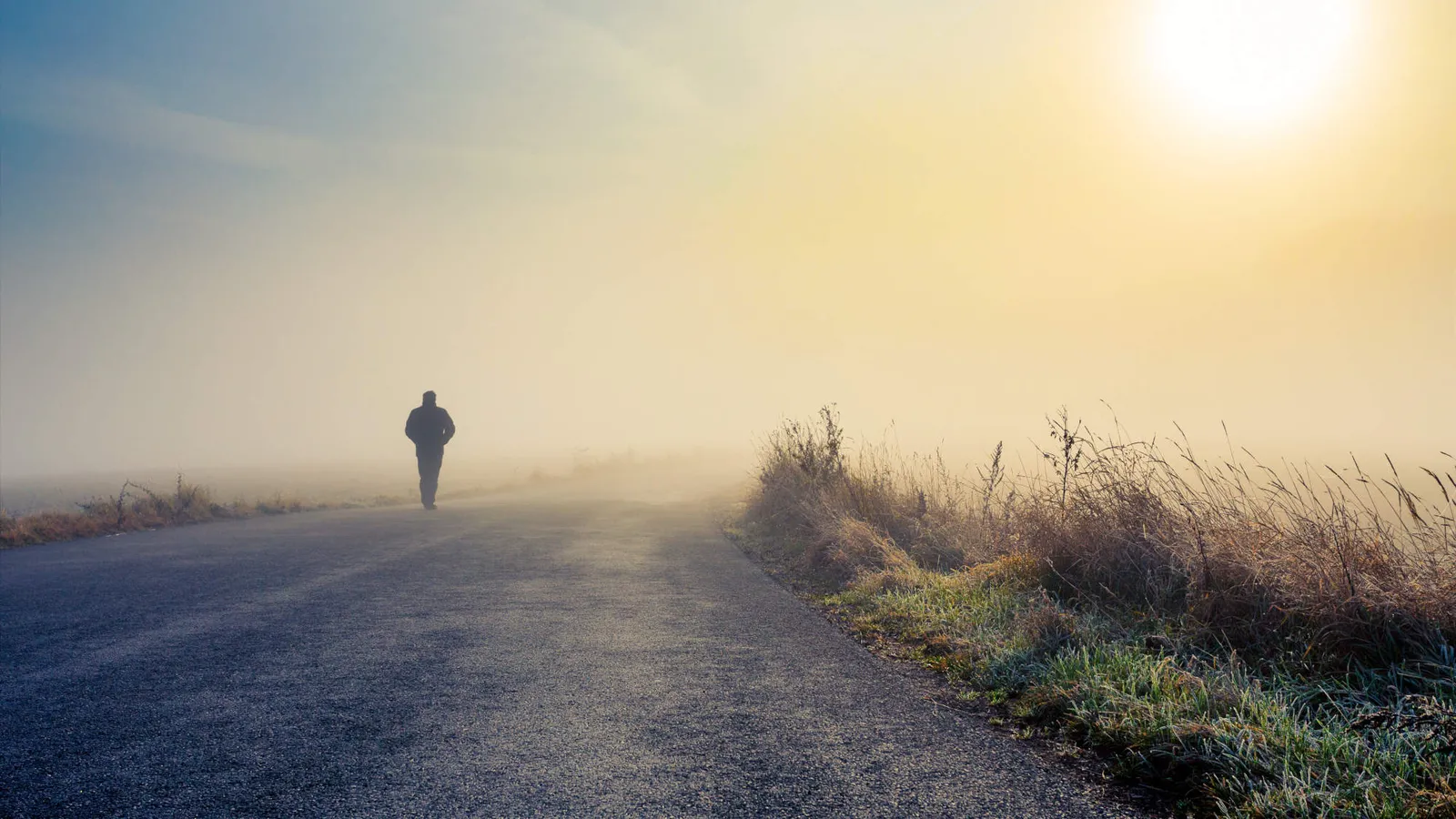
The seawall stretches north toward the mountains, a grey ribbon of concrete between the harbor and the city. At this hour the light has not yet reached the water; the inlet lies dark and still beneath a sky the color of wet slate. A few runners have already begun their circuits, their breath visible in the cold, their footfalls marking time against the silence. I watch one of them pass—a man in his forties, lean and focused, his gaze fixed somewhere beyond the visible shore. He runs the way some people drink: steadily, deliberately, with the discipline of long practice.
I’ve seen him here before, and I know him from the clinics. His running distances lengthen as the months pass. His stride has grown more efficient, his breathing more controlled, but something else has tightened too—a quality of urgency beneath the measured pace, a kind of flight that wears the mask of training. I can see it in the slight hitch at the end of each stride. His wife, he told me once, worries about his weekends consumed by long runs, his evenings spent planning routes. He tells her this is health. This is recovery. This is taking care of himself.
I recognize the shape of it—not because I stand apart from the pattern but because I have traced its outline in my own life, in the lives of others. The substance changes. The motion remains.
The seawall is a geography of departure. It leads away from the city, away from the demands of presence, toward a horizon that recedes with each step. The runners who circle here at dawn are not all fleeing—some have found in movement a genuine return to the body, a settling into rhythm and breath. But others run the way crows fly at first light: not toward something but away, tracing the ancient pattern of escape across a landscape that offers no true destination.
The research on physical activity and mental health recovery stands robust and undeniable. Exercise outperforms pharmaceutical interventions for most mental health conditions, rivals or exceeds the efficacy of psychotherapy, and addresses trauma responses at the nervous system level in ways that talk therapy alone cannot reach. But this same research, in its necessary focus on aggregate benefits, obscures a more troubling pattern that emerges with regularity in clinical practice: for some people in recovery, engagement in physical practices simply becomes another form of addiction.
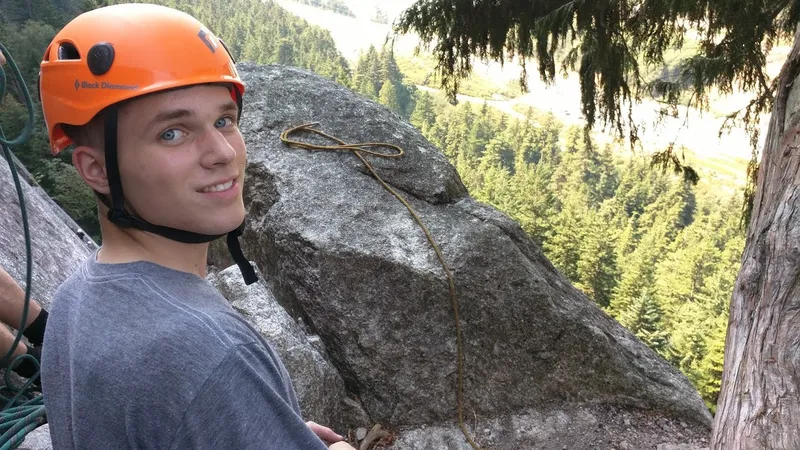
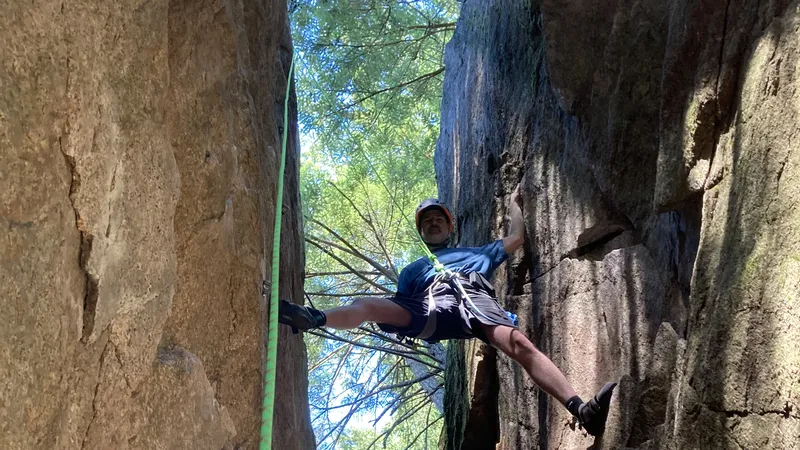
Running can serve as another kind of escape. Climbing can feed hypervigilant anxiety. Strength training—particularly weightlifting—can amplify cycles of defiance and anger. Meditation, despite its widespread endorsement, can deepen dissociative patterns in those already prone to departure from embodied experience. Without mindful attention to the purpose and functions of physical activity, the very activities intended for healing can perpetuate the dynamics of harm they were meant to address.
The Familiar Feel of Exercise Addiction
Exercise addiction exists as a recognized behavioral addiction characterized by compulsive engagement in physical activity despite adverse consequences. The pattern looks remarkably similar across different activities: initial relief or pleasure gives way to tolerance, withdrawal symptoms appear when the activity stops, the person loses control over the behavior, and physical or social functioning deteriorates. Studies reveal that exercise addiction frequently co-occurs with substance use disorders, anxiety, eating disorders, and trauma-related conditions, with prevalence rates reaching 48% comorbidity with eating disorders and 56% with depressive disorders.
The numbers matter less than the underlying pattern. Someone who replaces alcohol with marathon training has not left the territory that led to addiction in the first place. The path looks different—paved now, measured in miles rather than drinks—but it leads through the same interior landscape. The geography of escape does not change when we find new routes across it.
This represents a particular danger in recovery precisely because physical activity offers genuine benefits. The runner does experience endorphin release. The climber does feel accomplished. The martial artist does develop discipline and skill. But when these activities serve primarily to avoid or escape internal experience rather than to explore and expand capacity, they function as sophisticated forms of the same old pattern wearing different clothes.
The Danger of What Feels Good
There’s a seductive logic in choosing activities that feel good. The body knows what it needs, we tell ourselves. If running brings relief, run more. If meditation quiets the mind, meditate longer. If weightlifting makes you feel powerful, lift heavier.
But one of the reasons these activities feel good is precisely that they are familiar—they align with patterns the nervous system already knows. Those patterns, learned during developmental periods when the environment demanded certain adaptations for survival, may have been essential then but prove limiting now. The comfort we feel in certain activities often signals not growth but the reinforcement of existing constraints.
The distinction is not between pleasure and discipline, but between repetition and discovery. An activity that feels good because it returns us to familiar capacity—the same strength, the same escape, the same vigilance—differs from one that feels good because it opens something new. The first reinforces; the second transforms. Both may bring relief, but only one changes the map.
Consider the person organized around the flight response, someone whose earliest learning taught that safety requires departure, that presence invites danger. Running may indeed provide enormous benefits—cardiovascular health, stress reduction, the pleasure of embodied movement. But if running serves primarily as another way to leave, the trail becomes a familiar geography: the same terrain of escape, only better maintained. The runner covers more ground but never arrives anywhere new.
Similarly, someone locked in chronic hypervigilance—the orient response that never settles—may be drawn to activities that require constant scanning and rapid assessment. Rock climbing demands hypervigilant attention to every handhold, every shift in balance, every change in conditions. For someone whose nervous system learned in toddlerhood that the world requires constant monitoring, climbing may feel intuitively right. The hypervigilance finally has a legitimate purpose, a coherent focus. But the activity reinforces the very pattern it feels good to express. The nervous system learns not to settle but to apply its habitual scanning with even greater refinement. The person becomes an exceptional climber while remaining trapped in a system that cannot rest—forever ascending vertical terrain that demands the same watchfulness the body learned before it had words for danger.
When Meditation Deepens Dissociation
The widespread endorsement of meditation and mindfulness practices as tools for healing overlooks a common complication: for some people, particularly those prone to dissociation, meditation can exacerbate rather than alleviate symptoms. Research over the past decade has begun documenting what clinicians have observed in practice—that meditation can trigger dissociative experiences, depersonalization, and derealization in vulnerable populations.
A systematic review of meditation’s adverse effects found that dissociation or depersonalization appeared in 9 of 55 studies examined, with psychiatric adverse events including psychotic symptoms, anxiety, depression, and trauma re-experience occurring with concerning frequency. For trauma survivors, particularly those with histories of childhood abuse or neglect, meditation practices that emphasize detachment from thoughts and sensations can blur the line between mindful observation and pathological disconnection.
Dissociation is its own geography—a place above and away, where the body becomes distant terrain viewed from a departing altitude. For those who learned early to float free of unbearable experience, meditation can simply refine the route of ascent. The practitioner learns to climb higher, to observe from greater distance, mistaking altitude for awareness. The landscape of the body grows smaller below, which feels like peace. But it is the peace of absence, not presence.
The mechanism becomes clear when we understand dissociation as a trauma response learned early in life—a way of departing from unbearable experience by fragmenting awareness, by floating away from what the body feels. Meditation practices, particularly those emphasizing observation without engagement, can inadvertently reinforce this very pattern. The practitioner learns to watch thoughts and sensations from a distance, to cultivate a sense of separateness from internal experience—precisely the dynamics that constitute dissociative pathology.
This does not mean meditation lacks value for trauma recovery. Specific approaches, particularly those emphasizing embodiment, grounding, and compassionate engagement rather than detachment, show promise. But the blanket recommendation of meditation for everyone in recovery ignores the reality that for those organized around the flight response, meditation may simply provide another method of perfecting departure.
The Amplification of Aggression
Combat sports and martial arts present a particularly complex picture. Traditional martial arts training, with its emphasis on discipline, respect, and controlled aggression, tends to reduce rather than increase violent behavior in practitioners. But competitive combat sports—mixed martial arts, boxing, aggressive forms of weightlifting—can amplify aggressive tendencies, particularly when participants engage in these activities without attention to their underlying purposes.
Research demonstrates that combat sports athletes show higher levels of aggression than martial arts practitioners, with physical aggression, verbal aggression, and hostility all elevated in competitive fighting contexts. The hormonal profile of combat sports—elevated testosterone and cortisol, activation of stress response systems—creates conditions that can either channel or amplify existing patterns of dominance and defiance.
For someone organized around the fight response, someone whose developmental learning taught that power must be defended at all costs (or it will be crushed), combat sports may provide essential benefits. The controlled expression of aggression in a structured environment, the discipline required to train safely, the respect demanded by traditional practices—these elements can indeed transform rage into strength, defensiveness into presence.
But without explicit attention to this transformative intention, combat sports can simply become another arena for expressing and perfecting the fight response. The athlete learns to hit harder, react faster, defend more aggressively—all while the underlying pattern of viewing the world as fundamentally hostile, of meeting difficulty with increased force, remains unchanged or even strengthened. The person becomes a skilled fighter while remaining trapped in the same contested ground—a landscape where every encounter is a battle for territory, where rest means vulnerability and yielding means defeat. The ring becomes a geography of perpetual siege.
Strength Training and the Cycle of Defiance
Weightlifting and strength training offer genuine benefits—increased bone density, improved metabolism, enhanced functional capacity, the satisfaction of progressive overload and visible results. But for someone organized around defiance, around the learned response that says “I will not be crushed,” strength training can feed the very pattern it seems to address.
The gym becomes fortified territory—a place where the person can demonstrate that they will not submit, will not yield, will hold this ground no matter the cost. Each weight added is another stone in the wall. The body grows stronger while the interior geography remains a defended perimeter, every border patrolled, every access point secured against intrusion. The progressive resistance mirrors the progressive intensification of the original protective response—each personal record achieved becomes evidence that the pattern works, that refusing to back down produces results.
Strength training can be uniquely valuable in recovery. But when the activity serves primarily to reinforce existing patterns of defiance rather than to explore what yielding, gentleness, and appropriate rest might offer, it maintains rather than transforms the underlying dynamics. The person learns to push harder without learning when to ease back, develops the capacity to lift heavier without developing the wisdom to know when the weight should be set down.
The Sensation-Seeking Trap
High sensation-seeking represents a stable personality trait characterized by the pursuit of novel, intense, and complex experiences, often accompanied by willingness to take physical, social, and financial risks. For those high in this trait—particularly the thrill and adventure-seeking component—activities like BASE jumping, extreme skiing, or high-speed motorsports feel irresistibly compelling.
High sensation-seeking is a kind of perpetual expedition—the nervous system forever seeking extreme terrain because the flatlands of ordinary experience feel uninhabitable. The person learns to summit, to plunge, to accelerate toward the edge of what the body can tolerate. But the search for intensity is also a flight from the quiet valleys where most of life unfolds. The sensation-seeker maps only the peaks and cliffs, leaving vast territories of gentler ground unexplored.
The correlation between sensation-seeking and substance use disorders, risky behaviors, and impulsivity is well-established. What receives less attention is how engaging in sensation-seeking activities during recovery can maintain rather than transform the underlying nervous system patterns that contributed to addiction in the first place. The person swaps one source of intense stimulation for another, learns to achieve activation through adrenaline rather than substances, but does not develop the capacity to tolerate lower levels of arousal or to find satisfaction in quieter, less intense experiences.
For someone whose nervous system learned early that baseline states feel intolerable, that intensity provides the only reliable escape from internal distress, sensation-seeking activities offer temporary relief while reinforcing the dynamics they seem to address. The system learns not to settle at a lower baseline but to seek ever more intense sources of external stimulation.
Finding Activities That Explore the Unfamiliar
The question then becomes: how do we use physical activity to explore unfamiliar territory rather than to circle the same familiar ground? Recovery asks us to become cartographers of our own interior geography—to notice where we have worn deep paths through habitual response, and to venture into regions the nervous system learned long ago to avoid.
The answer lies not in avoiding activities that feel good but in deliberately seeking activities that explore what we do not already do well, that provide the nervous system with unfamiliar pathways of expression.
Those organized around dissociation need activities that insist on presence, that will not permit departure—but not meditation, which can deepen the pattern. They need practices that bring them back to earth, that demand they inhabit the landscape of the body rather than observe it from above. Partner dancing, improvisational theater, activities requiring moment-to-moment responsiveness to others’ actions may serve better.
Those locked in freezing need activities that demand initiation, that require the person to reach out and make something happen—but not slow, warm, enclosing practices like restorative yoga, which can simply make the freeze state more comfortable. They need terrain that requires them to move first, to step forward into open ground rather than waiting in the underbrush. Contact improvisation, team sports requiring quick decisions, activities demanding spontaneous action without time for the familiar pattern of waiting and assessing.
Those caught in hypervigilant scanning need activities that allow the nervous system to settle, that create conditions where vigilance becomes unnecessary—but not climbing or other activities that require constant threat assessment. Perhaps swimming in calm water, walking in safe and familiar environments, practices that cultivate trust in the immediate surroundings.
Those trapped in aggression and defiance need activities that explore yielding, gentleness, appropriate submission—but not combat sports or heavy weightlifting, which simply channel the aggression into more acceptable forms. Tai chi, gentle partner work like contact dance, practices that teach the strength inherent in flexibility rather than rigidity.
This represents a fundamentally different approach from simply choosing activities we enjoy or that feel intuitively right. It requires willingness to be uncomfortable, to engage in practices that do not come naturally, that reveal rather than reinforce our habitual patterns. The climber who feels anxious without constant challenge might benefit more from walking in nature than from attempting a harder route. The runner who uses movement to escape might discover more through sitting still than through adding mileage.
(For a more detailed examination of running, including the potential benefits for those suited to it, see this page.)
The Importance of Reflective Practice
The evidence remains overwhelming that movement matters, that embodied practices address trauma at levels that talk therapy alone cannot reach. But physical activity alone does not constitute sufficient intervention. Without reflective attention to the purposes these activities serve, to the patterns they reinforce or transform, to the familiar grooves they may be deepening, movement becomes simply another circuit through known territory. We travel the same interior landscape, wearing the paths deeper, mistaking motion for journey.
Effective use of physical activity in recovery requires honest assessment of what patterns the activity reinforces. Does running provide presence or escape? Does meditation cultivate awareness or dissociation? Does strength training build capacity or simply armor existing defenses?
It requires deliberate exploration of unfamiliar pathways. What activities require responses the nervous system does not already know? What movements demand presence where we typically flee, action where we typically freeze, settling where we typically scan, yielding where we typically resist?
Physical activity works best when combined with approaches that develop reflective capacity, that help the person understand the patterns being expressed and transformed. Body-centered psychotherapy, Bodynamic Analysis, Somatic Experiencing—these integrate movement with meaning-making.
The goal is not to become an exceptional athlete but to develop a wider range of responses, a nervous system capable of choosing appropriate action rather than defaulting to habitual patterns regardless of context.
What works for one person may perpetuate harm in another. The activities that help someone transform the flight response may reinforce the fight response. Recovery requires attention to the specific patterns each person learned, the particular adaptations their nervous system organized around survival.
Physical Activity as One Element Among Many
Physical activity alone is not a panacea. It cannot substitute for the difficult work of understanding how our protective patterns formed, recognizing how they continue to organize our experience, and developing the capacity to respond differently when old patterns would have us repeat familiar responses. Movement provides essential tools for this work, but only when used with deliberate attention to the patterns being expressed, only when chosen not for their comfort but for their capacity to reveal what we most need to learn.
The geography of healing is not a single trail but an entire landscape, much of it unmapped by our habitual patterns. Recovery requires us to travel through difficult terrain, certainly—but more than that, it asks us to leave the paths we know, to explore territories our nervous systems learned early to avoid. The body has been a faithful guide through familiar country. Now it must learn to navigate somewhere new.
The body knows something, certainly. But it knows primarily what it learned when it had no other choice, when the patterns it organized around survival were the best available options in an environment that demanded adaptation. Recovery invites us to discover what else the body might learn, what other responses it might organize, what unfamiliar territories it might explore when the original constraints no longer bind us.